
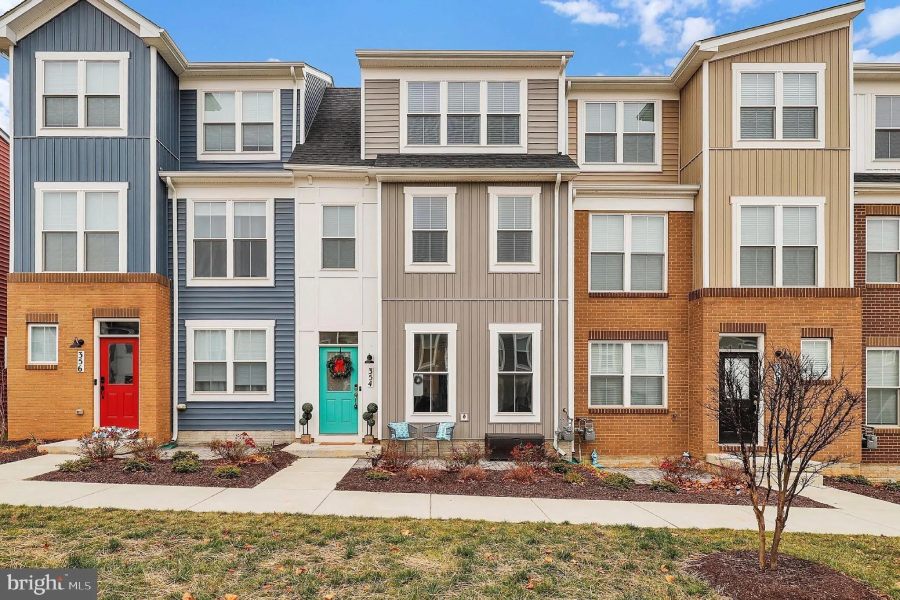
You found the perfect paint color. It looks great against your siding, your neighbor loves it, and you are ready to spend Saturday painting the front door. Then someone says, “You need HOA approval.” Really?
Sometimes, yes. A Minnesota HOA may regulate exterior appearance when its governing documents and applicable law authorize it. But that does not mean every color restriction is automatically valid or that a board can deny a request simply because one director dislikes the shade.
Start with one question: whose responsibility is the door?
The first step is to review the declaration and unit boundaries. In a townhouse or condominium, an exterior door may be part of a unit, a common element or a limited common element. Maintenance and replacement duties may differ from the right to approve exterior changes.
Even if the homeowner maintains the door, the declaration may require approval before changing its appearance. Conversely, if the association maintains and paints doors as part of a coordinated project, individual owners may have limited authority to change them.
For the broader framework, see how architectural review works in Minnesota HOAs and who is responsible for HOA repairs.
What a reasonable architectural approval process looks like
Clear standards before anyone buys paint
A written color palette, finish requirement or design standard is easier to apply consistently than “the board will decide what looks nice.” Rules should connect to the community’s governing authority and be reasonable.
A simple application
For a door-color request, boards can ask for the proposed paint manufacturer, color name, finish, photograph and approximate work date. Requiring full architectural drawings for a standard paint change may create unnecessary friction.
A documented decision
Approval or denial should be communicated in writing, with the relevant standard identified. If a color is denied, explain the objective reason and whether an alternative is acceptable.
Consistency across units
If three owners have the same approved color and a fourth is denied without a meaningful distinction, the board may create an avoidable dispute. Maintain an approval log so decisions do not depend on who happens to be serving that year.
Minnesota’s 2027 rule changes matter here
Minnesota’s 2026 HOA legislation includes changes effective in 2027 affecting how certain association rules are adopted, amended or revoked, including owner notice and an opportunity to comment. A board should distinguish between enforcing an existing declaration restriction, applying an adopted architectural standard and creating a new rule. Those are not always the same legal process.
See EPMI’s overview of Minnesota HOA law changes for related background. Have association counsel confirm which procedures apply to your community.
What if your neighbor already painted theirs purple?
That does not necessarily authorize everyone else to do the same. There may have been a prior approval, a grandfathered condition or an enforcement error. But the board should investigate rather than dismissing a legitimate consistency concern.
A homeowner should ask for the current standards and any approval history relevant to the request. A board should avoid sharing another owner’s private information unnecessarily.
Beyond paint: five changes worth checking before you start
- Exterior doors and storm doors.
- Window replacements and visible trim changes.
- Deck staining and railing finishes.
- Fences, privacy screens and patio modifications.
- Landscaping alterations visible from common areas.
The fact that a project is small or paid for by the homeowner does not automatically remove the approval requirement. For landscaping, see Minnesota HOA landscaping rules.
A realistic Twin Cities example
Imagine a 32-unit association in Maplewood with charcoal siding and white doors. An owner requests a muted sage-green door. The board’s existing standards permit only white, black and gray, but the owner argues that green would improve curb appeal.
The best response is not a debate about personal taste. The board should check whether the standard was properly adopted and remains enforceable, apply it consistently and explain the process for requesting a change to the community-wide palette. If the board believes the palette should evolve, that is a separate governance discussion.
What to do next
Homeowners: Request the current architectural standards, submit the proposed color before purchasing materials, and keep written approval.
Boards: Audit your standards for clarity, maintain a decision log, and establish a predictable response process.
Need help making exterior standards understandable and enforceable? Learn about professional Minnesota townhouse and condominium management, visit EPMI board resources, and explore more Minnesota HOA guidance.
If architectural requests keep turning into personal disputes, contact Exclusive Property Management Inc. to discuss consistent administration and board support.
Frequently asked questions
Can my HOA make me repaint a door I changed without approval?
Potentially, if the restriction is valid and the association follows applicable enforcement procedures. The documents and circumstances matter.
Does owning the townhouse mean I can choose any exterior color?
No. Ownership of a unit does not necessarily eliminate exterior architectural restrictions in the declaration or properly adopted rules.
Can an HOA deny a color just because a board member dislikes it?
A decision should be grounded in authorized, reasonable and consistently applied standards rather than an individual preference.
Do I need approval to repaint my door the same color?
Some associations exempt like-for-like maintenance; others require notice or approval. Check the actual written policy.
What if the rules do not mention door colors?
Review the declaration and other governing documents for broader architectural approval authority. Ask for clarification before proceeding.