
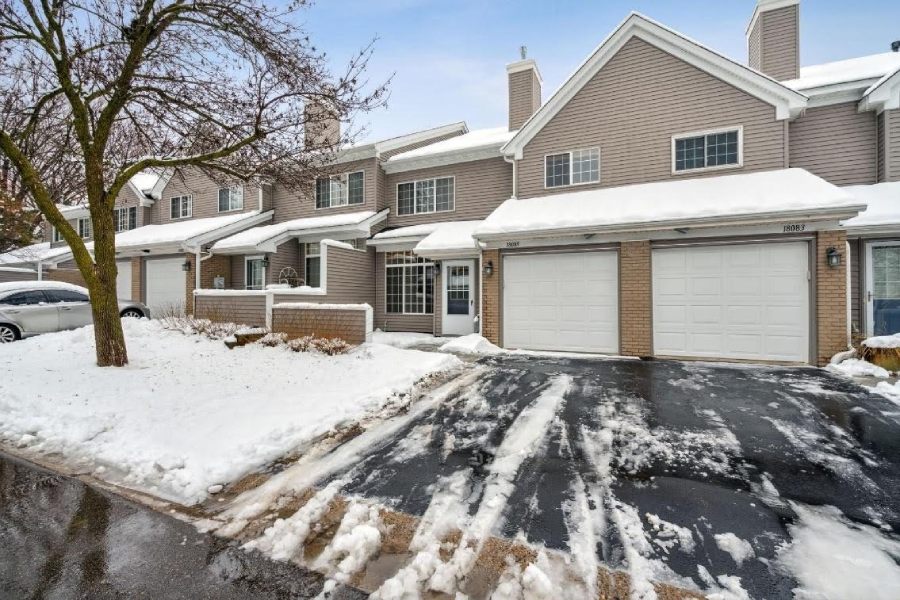
A Minnesota snowstorm has a way of turning an ordinary Tuesday into a neighborhood debate. The plow clears the main drive, but there is a ridge behind the parked cars. The shared sidewalk looks great, but the steps to one front door are still icy. Who is supposed to shovel what?
The short answer: In a Minnesota HOA, snow-removal responsibility depends on the declaration, maintenance provisions, adopted rules and service contract. Living in a townhouse does not automatically mean the association clears every surface outside your door.
Why the answer changes from one community to the next
Two attached-townhouse communities can look nearly identical yet operate differently. One association may maintain the private roads, sidewalks and driveways. Another may clear common sidewalks while owners handle their own driveways and front steps. Some associations contract for everything but require owners to move vehicles or clear personal items.
The declaration establishes important property and maintenance responsibilities. The snow contract then defines what the vendor is hired to do. A vendor contract does not, by itself, rewrite the declaration. If these documents conflict or are unclear, the board should resolve the issue rather than expecting residents to guess.
The four places snow responsibility gets confusing
1. Private roads and shared parking areas
These are often association-maintained common areas, but confirm the documents. The contract should identify plow triggers, service priorities, deicing, parked-car obstructions and snow storage locations. A plow may not be able to clear beneath parked vehicles.
2. Individual driveways and garage aprons
A driveway serving one unit may still be a limited common element or have special maintenance language. Some contracts include driveway passes; others exclude the last few feet near garage doors. That is why the familiar plow ridge is not always a missed service.
3. Sidewalks, stoops and steps
A shared pedestrian route and a private front stoop may have different obligations. For accessibility and safety, boards should identify priority routes and establish a reliable reporting process for ice. Residents should not assume a small front step is covered simply because a larger sidewalk is.
4. Ice dams, roof snow and drainage
Roof snow is not the same service as sidewalk shoveling. Ice dams can involve roof design, insulation, ventilation and drainage. A board should use qualified professionals for potentially hazardous roof work rather than directing residents to climb ladders.
A realistic Twin Cities winter scenario
Picture a 48-unit townhouse association in Woodbury after an eight-inch snowfall. The contractor clears the private road by morning. Several owners complain about snow at the ends of driveways; another reports ice on the shared mail kiosk path.
A useful manager or board response separates the issues: check whether driveway aprons are in scope, ask the contractor for its service log, prioritize the icy shared route, and communicate when follow-up work is expected. One blanket message saying “snow removal is complete” would miss the actual problems.
What boards should put in writing before the next storm
- A map showing roads, sidewalks, driveways, stairs and other service areas.
- The snowfall depth or conditions that trigger dispatch, if specified in the contract.
- Expectations for initial service and return visits, without promising exact times the contract cannot guarantee.
- Who handles deicing and who supplies materials.
- Parking and obstruction rules, including how residents can help.
- A process for reporting missed areas and urgent ice hazards.
- A plan for heavy snow, equipment breakdowns and unusually long storms.
For broader seasonal planning, read winter HOA best practices for Minnesota communities and how Minnesota weather affects HOA budgets.
What homeowners can do without starting a snow war
Before posting a complaint to the neighborhood group, check the association’s published scope. Include the location, time and a clear photograph when reporting an issue. Move vehicles when requested and keep toys, bins and decorations out of the contractor’s path. If there is an immediate slip hazard, report it promptly and use appropriate caution.
What to do next
Boards should review their declaration and current snow contract side by side, then publish a simple “who clears what” map before the first major storm. If the scope is ambiguous, clarify it with the contractor and obtain legal guidance when maintenance obligations are disputed.
Need a more predictable winter operations process? Explore professional Minnesota townhouse and condominium management, browse EPMI board resources, or visit the EPMI blog for more local HOA guidance.
Is winter maintenance consuming every board meeting? Contact Exclusive Property Management Inc. to discuss how a coordinated management process can reduce confusion and keep residents informed.
Frequently asked questions
Does my Minnesota HOA have to shovel my front steps?
Not automatically. Check the governing documents and the association’s maintenance scope. Front steps may be treated differently from common sidewalks.
Who removes the snow ridge at the end of my driveway?
It depends on the contracted service and the community’s responsibility allocation. Some contracts include a follow-up pass; others do not.
Can an HOA require homeowners to move cars for plowing?
An association may have parking and access rules within its legal authority. Check the governing documents and current rules for specific requirements.
What if the contractor misses a sidewalk?
Report the exact location through the association’s designated process. Management or the board can verify whether it was included in the contract and request correction if warranted.
Does the HOA pay for ice-dam removal?
That depends on the roof’s classification, maintenance duties, cause and any insurance considerations. It should not be decided solely by where the ice appears.