
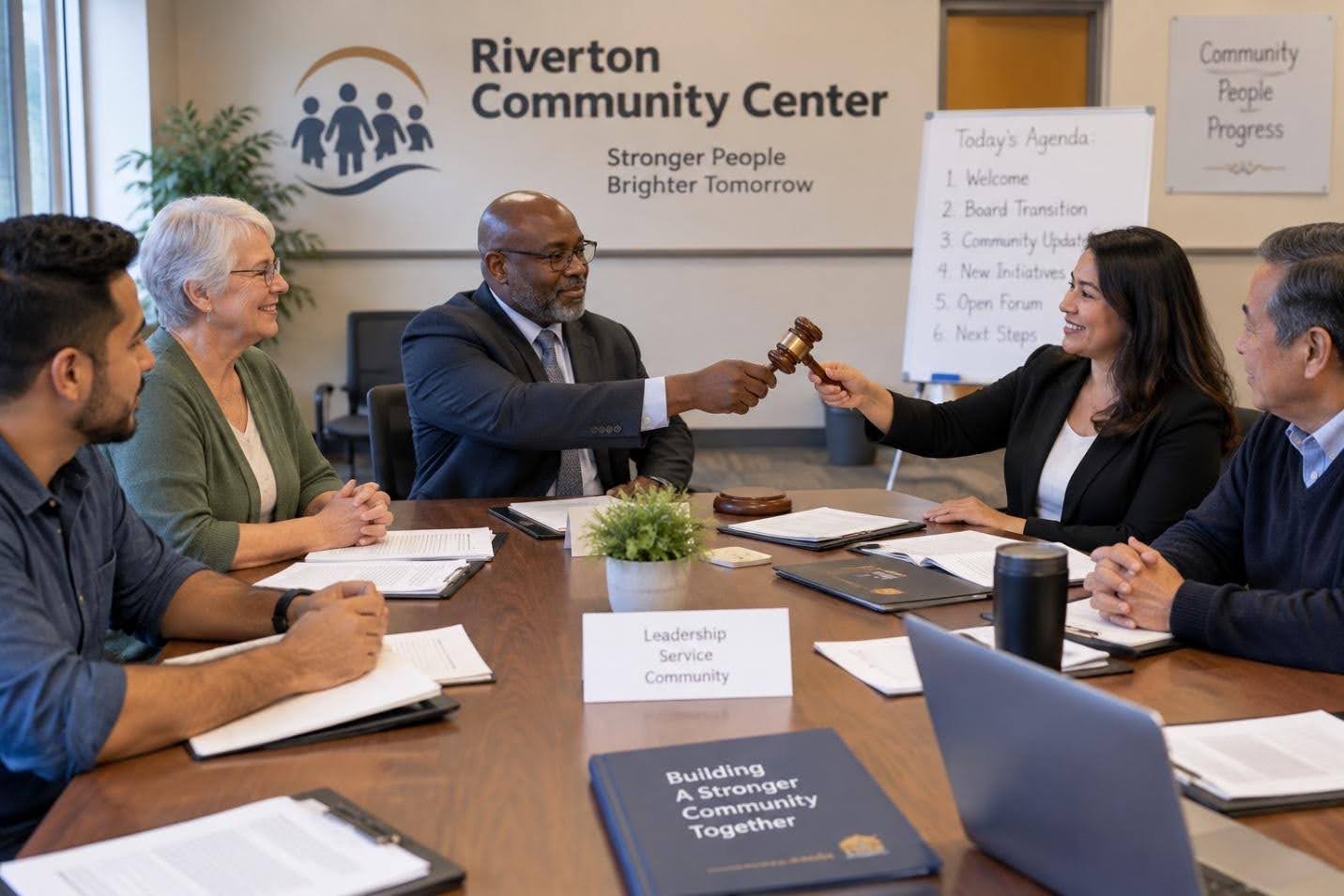
When a Minnesota HOA elects new board members, the transition period that follows is one of the most consequential — and most mishandled — phases in community governance. A proper handoff protects the association’s records, finances, and legal standing, while a careless one can leave the incoming board scrambling to understand decisions they are now responsible for enforcing.
Starting a new board term without a structured transition is one of the most common governance gaps we see in Minnesota homeowner associations. The excitement of an election can overshadow the quieter, procedural work that makes the new board actually functional from day one.
Why Board Transitions Matter More Than Most Boards Realize
Minnesota HOAs are governed by the Minnesota Common Interest Ownership Act, commonly referred to as MCIOA, as well as the association’s own governing documents. When a new board member takes a seat, they assume fiduciary responsibility for the community immediately. That responsibility does not come with a grace period.
This means that incoming board members need access to the right information before they can make sound decisions — not weeks after they are seated. Reserve fund balances, open vendor contracts, pending violations, insurance policy details, and any active litigation must be transferred clearly and completely. Without that transfer, the new board is governing blind.
We often see associations where the outgoing board simply stops showing up, leaving files in disarray and login credentials unshared. The result is delayed vendor payments, lapsed insurance renewals, and residents left without answers. These are avoidable problems.
What Should Be Transferred During a Minnesota HOA Board Transition
Governing Documents and Legal Records
The incoming board should receive complete, current copies of the declaration, bylaws, rules and regulations, and any amendments. If these documents have not been updated in years, the transition is a practical moment to flag that review. Minnesota law sets specific requirements for what associations must maintain and make available to members, and the new board is accountable for compliance from the moment they take office.
Financial Records and Reserve Information
Every incoming board member should receive a current financial statement, the most recent reserve study, the current operating budget, and the contact information for the association’s accountant or CPA. Bank account access should be updated promptly, and outgoing signatories should be removed. Leaving a former board member as an authorized signer — even temporarily — creates liability exposure for the association.
Vendor Contracts and Ongoing Obligations
Active contracts with landscapers, snow removal companies, property managers, and other vendors do not pause during a board transition. The incoming board needs copies of every active agreement, including start and end dates, renewal terms, and any performance issues that were already being tracked. September is a particularly critical time for this in Minnesota, because snow removal contracts are typically finalized in late September or early October.
Access, Logins, and Physical Keys
Digital access — including email accounts, community management software, payment portals, and website backends — must be transferred to new board members and revoked for those who are leaving. Physical keys to common areas, maintenance closets, clubhouses, and mailrooms should be collected and redistributed as part of the formal handoff.
The Role of the Annual Meeting in Setting Up a Clean Transition
Most Minnesota HOA boards hold their annual meetings in the fall, with many communities scheduling them in October or November. The September window before that meeting is the right time to prepare transition materials, not the week after the vote.
Outgoing board members who are not seeking re-election should begin organizing records and documenting ongoing issues in August or early September. Associations that work with a professional property management company have an advantage here, because the management company holds institutional knowledge that does not walk out the door when board members change.
A well-run annual meeting includes not just the election itself but a brief transition agenda item — a moment where outgoing members formally acknowledge what is being handed off and incoming members confirm receipt. This does not have to be ceremonial. It can be as simple as a checklist reviewed and signed at the meeting table.
A Real-World Scenario: When a Transition Goes Wrong
A 60-unit townhome association in the western Twin Cities suburbs held its annual meeting in November and elected two new board members, replacing both the president and the treasurer. The outgoing president had managed most association business from a personal email account and had not shared passwords or forwarded key vendor correspondence to anyone else.
By December, the snow removal vendor had not received a signed renewal contract and had moved the community to a lower service priority. The new board did not learn this until the first significant snowfall went unplowed for 18 hours. Meanwhile, the new treasurer discovered that the operating account had an authorized signer who had since moved out of the community, and the bank required a notarized board resolution to make a change.
Neither problem was catastrophic, but both required significant time and legal expense to resolve — time that a small volunteer board did not have during the holidays.
The lesson: transition planning is not optional. It is a governance obligation. Communities that treat it as a routine administrative step, rather than an afterthought, avoid these entirely preventable disruptions.
How a Property Management Company Supports Board Transitions
Working with a professional HOA management company does not eliminate the need for a thoughtful transition process, but it significantly reduces the risk of critical information being lost. The management company maintains the association’s records, vendor relationships, financial history, and compliance documentation independently of which individuals are serving on the board.
When EPMI manages an association, incoming board members receive an orientation that covers the community’s current status across operations, finances, and maintenance — so they can ask informed questions and make informed decisions from their first meeting forward.
This is especially valuable when an association experiences significant turnover, such as three of five board seats changing in a single election. The management company provides continuity that volunteer boards simply cannot sustain on their own.
Frequently Asked Questions
1. What are outgoing HOA board members legally required to hand over in Minnesota?
Minnesota law and most governing documents require outgoing board members to surrender all association records, including financial accounts, governing documents, contracts, and correspondence. Failure to do so can expose former board members to personal liability. The specifics depend on the association’s bylaws, but the general obligation is broad.ber.
2. How long does an HOA board transition typically take?
A well-prepared transition can be completed within two to four weeks of the election. Associations that do not prepare in advance often find the process dragging into the following quarter, which creates gaps in vendor oversight, financial management, and rule enforcement.
3. Can an outgoing board member stay involved temporarily to help with the transition?
Yes, and this is often a good idea — particularly when a long-serving treasurer or president has deep institutional knowledge. The key is defining a clear end date and scope. Informal, open-ended involvement after a term ends creates confusion about authority and accountability.
4. What should a new HOA board member do in their first 30 days?
New board members should review all governing documents, the current budget and reserve balance, active vendor contracts, and any open enforcement or litigation matters. Scheduling a working session with the property manager or association attorney early in the term is a practical way to get oriented quickly.
5. Does MCIOA require HOAs to hold annual meetings at a specific time of year?
MCIOA requires that annual meetings be held, but the specific timing is typically set by the association’s bylaws. Most Minnesota HOAs schedule their annual meetings in the fall, and boards should calendar the transition process accordingly.
Final Thoughts
Board transitions do not have to be chaotic. With the right preparation, clear communication, and a structured handoff process, a new Minnesota HOA board can take office ready to lead rather than ready to catch up. The September and October window before most annual meetings is the right time to start that preparation — not after the votes are counted.
If your association is approaching an election and you are unsure whether your transition process is as strong as it should be, EPMI is a resource. We work with Minnesota communities at every stage of the governance cycle, and we are happy to talk through what a well-structured handoff looks like for your specific community.