
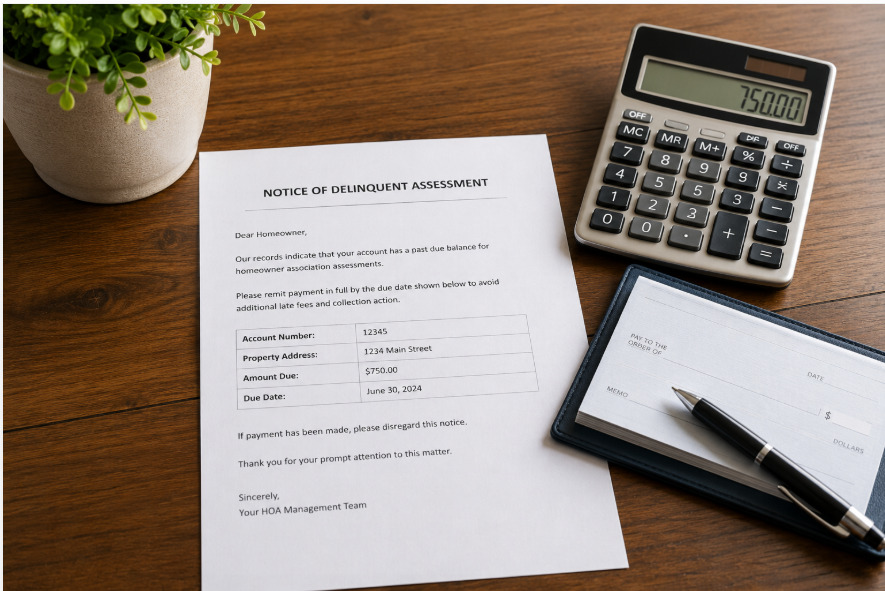
SF 1750 introduces meaningful changes to how Minnesota HOAs may pursue delinquent dues, requiring associations to follow more defined procedural steps before escalating collection efforts and placing new restrictions on certain collection practices that were previously common. Boards that don’t update their collection policies to reflect these changes risk having enforcement actions challenged or reversed, which can be costly and time-consuming. This post explains the specific changes SF 1750 makes to HOA collections and delinquency procedures in Minnesota and what boards should do to bring their policies into compliance.
Collections is the part of HOA governance that no board enjoys, but failing to collect dues efficiently and fairly creates real harm to the communities that depend on that revenue. SF 1750 doesn’t make collections harder so much as it makes the process more defined, and a well-run collection process can actually operate more effectively with clear rules than without them.
What SF 1750 Changes About HOA Collection in Minnesota
Strengthened Notice Requirements
Before escalating a delinquent account to collections or imposing certain penalties, SF 1750 requires that the homeowner receive specific written notice that meets defined content and delivery standards. This isn’t entirely new, Minnesota HOAs have always been required to provide notice before taking collection action, but SF 1750 clarifies and strengthens what that notice must include: the amount owed, the itemized breakdown of fees and charges, the deadline for payment, and the specific consequences of non-payment.
Boards that have been using informal or generic delinquency notices need to review and update their templates to ensure compliance with the new notice standards.
Restrictions on Fee Stacking
One of the more significant changes in SF 1750 involves limitations on how associations may pile fees on top of delinquent accounts. Specifically, the legislation places guardrails on the accumulation of late fees, administrative fees, and attorney’s fees in ways that can cause a relatively modest delinquency to balloon into a sum that is difficult or impossible for a homeowner to pay off. This fee stacking concern has been a recurring criticism of HOA collection practices in Minnesota and in other states.
For boards, this means reviewing how your collection policy calculates and applies fees at each stage of the delinquency timeline. If your current policy allows fees to compound in ways that exceed what SF 1750 now permits, you need to revise it.
Payment Plan Obligations
SF 1750 places new emphasis on the association’s obligation to offer a payment plan to homeowners who are delinquent before proceeding to more aggressive collection steps. The specifics of what a compliant payment plan offer must include are worth reviewing with your HOA attorney, but at a minimum, boards should not be moving directly from a late notice to a lien filing without engaging in a payment plan conversation with the homeowner.
We often see boards skip the payment plan step because it feels like extra work or because past experience has been frustrating with certain homeowners. SF 1750 makes this step a legal requirement, not a discretionary one.
Lien and Foreclosure Procedural Changes
The legislation also addresses the procedures governing lien recording and, in limited circumstances, the use of foreclosure to collect delinquent assessments. Minnesota has historically had relatively specific requirements in this area, and SF 1750 refines them further. Boards should confirm with legal counsel that their lien filing procedures and any foreclosure-related processes are up to date.
What This Means for Your Collection Policy
If your association has a written collection policy, which it should, it needs to be reviewed against SF 1750’s requirements and updated where necessary. Key elements to review include:
- The timeline for when notices are sent and what each notice must contain
- How late fees are calculated and the cap on accumulated fees
- The process for offering a payment plan and documenting the offer
- The threshold and process for referring accounts to an HOA collection attorney
- Lien recording procedures and timing
Understanding HOA Collection Policies in Minnesota provides a solid foundation for this review. If your collection policy predates 2025, assume it needs updates.
How This Connects to the Broader SF 1750 Framework
The collection changes in SF 1750 don’t exist in isolation. They are part of a broader legislative intent to increase homeowner protections and procedural fairness in HOA governance. The same bill that tightens collection procedures also addresses enforcement due process, document access, and meeting transparency. SF 1750 Explained: What Minnesota HOA Boards Need to Know About the New Legislation covers the full scope of the bill’s provisions for boards that want the complete picture.
The underlying theme is that HOA authority, including collection authority, comes with procedural obligations. Boards that follow those procedures carefully not only stay compliant, they also tend to collect more effectively, because homeowners are more likely to engage with a process that feels fair.
A Real-World Scenario: The Fee Accumulation Problem
A suburban Minnesota HOA had a collection policy that allowed late fees, administrative processing fees, and attorney cost reimbursement to all run simultaneously from the moment an account became 60 days delinquent. Over the course of a year, one homeowner’s original $1,800 delinquency had grown to over $6,400 in total charges. The homeowner, who had lost a job midway through the year, was willing to pay the original amount but couldn’t manage the accumulated fees. The dispute went to mediation, and the association ultimately settled for substantially less than the total amount claimed, and spent more in attorney’s fees resolving the dispute than they recovered in excess of the original balance.
Had a payment plan been offered early and fee accumulation been more carefully structured, the association likely would have collected the full original amount and avoided the mediation costs entirely.
The lesson: aggressive fee structures often produce worse collection outcomes, not better ones, and SF 1750’s guardrails may actually help boards collect more efficiently.
Practical Steps for Boards Right Now
- Schedule a collection policy review session with your HOA attorney focused specifically on SF 1750 compliance
- Audit your current delinquency notice templates against the new notice content requirements
- Review how your policy calculates and applies fees and compare it to the limitations SF 1750 establishes
- Add a documented payment plan offer step to your delinquency workflow if it isn’t already there
- Brief your property manager on the updated requirements so they are applying the correct process
For boards dealing with active delinquencies right now, Handling Delinquent HOA Dues in Minnesota remains a practical guide for the day-to-day collection process, read alongside your attorney’s SF 1750 compliance guidance.
Frequently Asked Questions
1. Does SF 1750 prevent HOAs from collecting delinquent dues?
No. SF 1750 doesn’t limit the association’s right to collect unpaid assessments. It defines the procedural steps the association must follow, including notice requirements, payment plan obligations, and fee accumulation limits. Boards that follow the required process retain full authority to pursue delinquent accounts through liens and other remedies.
2. Do we need to update our collection policy right away?
Yes. If your collection policy doesn’t reflect the SF 1750 requirements, you are operating out of compliance every time you use it. The risk is that enforcement actions taken under a non-compliant policy can be challenged by homeowners, potentially invalidating liens or other collection steps. Work with your HOA attorney to prioritize this update.
3. What does a compliant payment plan offer look like under SF 1750?
The specific requirements for a compliant payment plan offer should be confirmed with your HOA attorney, as the details matter. Generally, the offer should be made in writing before escalating to lien filing, should propose a reasonable schedule for paying off the outstanding balance, and should be documented. Your attorney can provide a template that meets the SF 1750 standard.
4. Can we still use an HOA collection attorney under SF 1750?
Yes. HOA collection attorneys remain an important resource for associations dealing with significantly delinquent accounts. SF 1750 may affect when certain costs can be passed to the homeowner and how fees are calculated, but it doesn’t prevent boards from engaging legal counsel for collection matters.
5. What happens to our existing delinquent accounts while we update our policy?
Accounts that are already in process need to be evaluated individually with your attorney. For accounts where the notice and payment plan steps haven’t yet been completed in compliance with SF 1750, it may be necessary to restart or supplement the process before taking further escalation steps. Don’t assume that past collection activity under the old policy fully satisfies the new requirements.
Final Thoughts
SF 1750’s collection changes ask Minnesota HOA boards to be more procedurally careful, not less effective. A well-structured collection process, built on clear notices, documented payment plan offers, and reasonable fee structures, tends to produce better collection results and fewer disputes than aggressive approaches that cut corners.
EPMI helps Minnesota HOA boards navigate collection policy compliance as part of our day-to-day management work. If your board needs support updating your collection procedures to reflect SF 1750, we’re here to help.