
Somewhere between the annual meeting and the next budget cycle, most HOA boards have a version of the same uncomfortable conversation: the roof is getting older, the parking lot is due for resurfacing, and nobody is quite sure whether the reserves will cover it. That uncertainty is not unusual — but it is preventable. A reserve study is the tool that replaces guesswork with a plan, and for Minnesota communities, getting one done (or updated) before summer is genuinely good timing.
Here is what a reserve study is, what it involves, and why it matters more than most boards initially expect.
What Is a Reserve Study?
A reserve study is a long-range financial planning tool that evaluates the condition of an HOA’s major common-area components — roofs, parking lots, siding, mechanical systems, pool equipment, and so on — estimates their remaining useful life and replacement cost, and calculates how much the association needs to be setting aside each year to fund those replacements when the time comes.
Think of it as a financial roadmap for your community’s physical assets. Without one, boards are essentially budgeting for major capital expenses based on intuition and hope. With one, they have documented projections, defensible funding plans, and a much clearer picture of whether current reserve contributions are adequate.
A well-prepared reserve study typically includes two parts: a physical analysis (condition and life expectancy of components) and a financial analysis (current fund balance, required contributions, and funding plan options).
Why Minnesota Communities Have Particular Reserve Study Needs
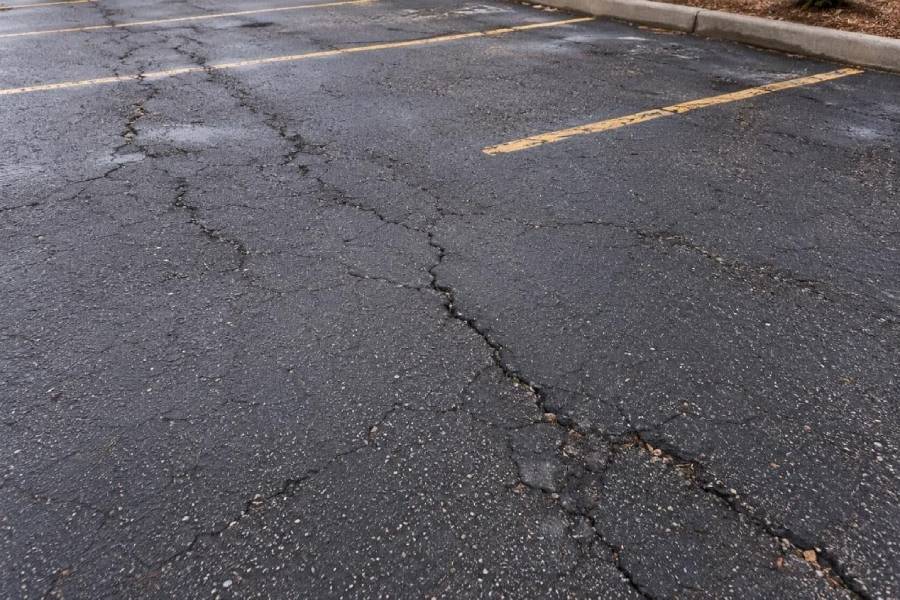
The freeze-thaw cycle that defines Minnesota winters is unusually hard on building materials and infrastructure. Asphalt deteriorates faster in climates with significant frost depth. Roofing systems face greater stress from snow loads and ice dams. Concrete flatwork has a shorter useful life when subjected to repeated freeze-thaw expansion. Exterior paint and siding systems are exposed to more extreme temperature swings than in moderate climates.
What this means practically is that the component life expectancies used in a generic reserve study template may not accurately reflect Minnesota reality. A parking lot resurfacing cycle that makes sense in Phoenix does not necessarily translate to Edina or Duluth. A qualified reserve specialist familiar with Minnesota conditions will apply locally appropriate useful-life estimates — and that specificity matters when you are projecting costs twenty years out.
One common mistake we see is boards using an outdated reserve study that was prepared by someone unfamiliar with cold-climate construction. The numbers may look plausible on paper but lead to consistent underfunding because the replacement timelines are simply too optimistic for Minnesota conditions.
What Components Are Typically Included
Reserve studies cover components that meet two criteria: they are a common-area HOA responsibility, and they have a predictable useful life and a cost significant enough to warrant long-range planning. Typical inclusions for Minnesota communities include the following.
Roofing systems, including both primary roofing and any low-slope membrane systems on garages or community buildings. Asphalt pavement in parking lots and private roads, which in Minnesota typically needs resurfacing every 15 to 20 years and replacement on a longer cycle. Concrete flatwork, including sidewalks, curbing, and aprons. Building siding and trim systems, particularly wood, fiber cement, and LP siding that are subject to moisture and freeze-thaw exposure. Common-area mechanical systems, including boilers, HVAC, elevators, and pool equipment where applicable. Decks, fences, and other wood structures. Exterior lighting infrastructure.
The specific list varies by community type. A condominium with a single building will have a very different component inventory than a 200-unit townhome community spread across multiple buildings on a large site.
How Reserve Studies Connect to Your Finances
Understanding reserve study results requires some financial context. Reserve specialists typically present funding results in terms of percent funded: the ratio of actual reserves to the fully funded ideal. A community at 70% funded or above is generally considered in healthy shape. Below 30% is considered underfunded and carries real risk of special assessments or deferred maintenance.
For more on the financial reports that help you track reserve fund health on an ongoing basis, our post on understanding HOA financial reports: a practical guide for board members walks through what to look for in monthly statements and annual reviews.
The reserve study also feeds directly into your annual budget process. The recommended annual contribution from the reserve study should be reflected in your dues structure. When it is not — when boards routinely underfund reserves to keep dues artificially low — the bill eventually comes due in the form of a special assessment. Our post on 5 signs your HOA finances are in trouble and what Minnesota boards should do about it includes underfunded reserves as one of the clearest warning signs.
How Often Should a Reserve Study Be Updated?
A full reserve study (with a site inspection by a qualified professional) should be conducted every three to five years. In between, boards should conduct annual reserve study updates — typically desk reviews that update the financial projections without a new site inspection — to keep the plan current as costs change and conditions evolve.
Minnesota law does not currently mandate reserve studies for all HOA types, though requirements vary depending on the structure of the association and its governing documents. Even where not legally required, they represent a best practice that protects both the board and the community’s homeowners.
Why Timing a Reserve Study Before Summer Makes Sense
Spring and early summer is practical timing for a reserve study update for several reasons. The winter damage to your community’s components is now visible, giving a reserve specialist an accurate picture of current condition. Contractor pricing and availability are easier to research in spring than mid-summer when schedules are full. And having updated reserve projections before your fall budget planning process means your board is working with current numbers when dues and contribution levels are set for the following year.
For communities that also have spring maintenance work underway, the reserve study can incorporate findings from the spring inspection — which is one reason we recommend doing that inspection first.
A Real-World Example: What Happens Without a Reserve Study
A condominium association in the eastern Twin Cities metro had been self-managed for years with a simple operating budget but no formal reserve study. The board knew the roofs were getting older but had not commissioned any professional analysis. When a significant portion of the roofing systems failed across multiple buildings in a single bad-weather season, the association had just over $60,000 in reserves against a replacement need of nearly $340,000.
The outcome was a special assessment of roughly $4,500 per unit, levied with just 60 days notice. Several homeowners could not absorb it easily. The board, though they had made the decision in good faith, faced significant homeowner anger and lost two members to resignation. A reserve study conducted three years earlier would have identified the underfunding and given the board time to increase contributions gradually — a far less disruptive path.
Finding a Qualified Reserve Specialist
Reserve studies should be conducted by a qualified professional, typically a reserve specialist with credentials such as the Reserve Specialist (RS) designation from the Community Associations Institute (CAI) or a Professional Reserve Analyst (PRA) designation. When evaluating candidates, ask about their experience with Minnesota HOA communities specifically, their process for site inspection, and how they develop the component inventory and useful-life estimates.
Our post on understanding HOA reserve funds: why they matter more than you think offers additional background on how reserve funds work and how boards can evaluate their current fund health between formal studies.
How This Connects to Your Overall Financial Picture
A reserve study does not exist in isolation. It is part of a broader financial management picture that includes your operating budget, your dues structure, and your collection practices. Our post on how often should an HOA increase dues? A Minnesota HOA manager’s perspective addresses how reserve funding requirements should factor into dues decisions — which is a connection many boards underestimate.
Frequently Asked Questions
1. What is an HOA reserve study in Minnesota?
A reserve study is a professional analysis of an HOA’s major common-area components that estimates their remaining useful life and replacement cost and recommends an annual contribution amount to fund those replacements. In Minnesota, the freeze-thaw climate makes accurate reserve studies especially important because component deterioration tends to happen faster than national averages suggest.
2. Is a reserve study required by Minnesota law?
Minnesota law does not universally mandate reserve studies for all HOA types, though some communities may have requirements in their governing documents or under specific statutory structures. Even where not required, reserve studies are considered a best practice because they protect boards from liability and protect homeowners from unexpected special assessments.
3. How much does a reserve study cost?
Costs vary depending on community size, number of components, and the scope of service. For most typical Minnesota HOA communities, a full reserve study with site inspection generally ranges from around $1,500 to $4,000 or more for larger or more complex properties. Annual update reviews (desk studies without site inspection) are typically less expensive.
4. How do I know if my HOA’s reserves are adequately funded?
Reserve specialists typically express funding levels as a percentage of the “fully funded” ideal. A community at 70% or above is generally considered well-funded; communities below 30% are considered at significant risk. Your most recent reserve study or reserve fund analysis should include a percent-funded calculation. If your community does not have a recent study, that itself is a signal.
5. What happens if an HOA does not maintain adequate reserves?
Inadequate reserves typically result in one of three outcomes: deferred maintenance (components are not replaced when needed, leading to greater deterioration and risk), special assessments (homeowners are charged a lump sum to cover the funding gap), or borrowing. All three are more disruptive and expensive than gradual, planned reserve contributions over time.
A Note from EPMI
Reserve planning is one of the areas where professional HOA management makes a meaningful practical difference. At EPMI, we help Minnesota boards stay on top of reserve fund status, coordinate reserve studies with qualified professionals, and ensure that annual budget processes reflect current reserve funding requirements. If your board has questions about where your reserves stand, we are glad to help you take a look.